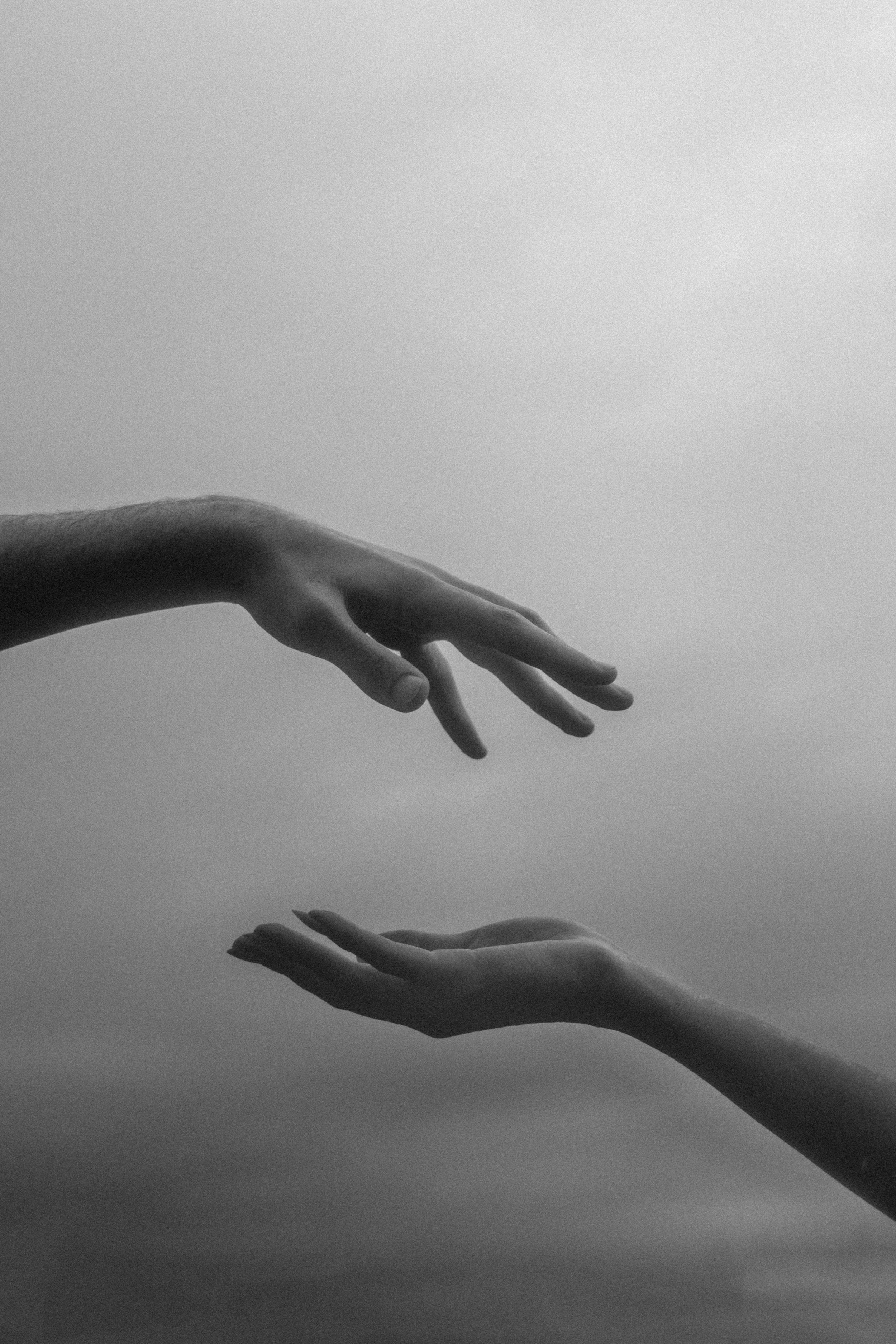
The Power of Self-Healing: A Deep Dive
You don't need to be fixed. You need the conditions that let your body do what it already knows how to do.
The phrase "self-healing" can sound like a promise — as if all you need to do is believe hard enough and your body will figure it out. That's not what this is about.
Self-healing, in the way that actually works, isn't a belief system. It's a biological reality. Your body is constantly working to return to a state of equilibrium — repairing tissue, regulating hormones, processing emotion. The problem isn't that this mechanism is broken. The problem is that most people live in conditions that make it impossible for it to work.
The obstacle isn't damage. It's interference.
Chronic stress, constant stimulation, emotional suppression, lack of sleep, lack of stillness — these aren't just lifestyle problems. They're signals that tell your nervous system to stay in survival mode. And a body in survival mode doesn't heal. It manages.
Self-healing starts the moment you reduce the interference. Not with a supplement or a protocol — with conditions. Quiet. Safety. Slowness. Space for the body to stop managing and start repairing.
The role of awareness
You can't heal what you can't feel. And most women have spent years learning not to feel — numbing with work, with scrolling, with constant motion. The first act of self-healing is simply paying attention to what's actually happening in your body. Not what you think is happening. What you feel.
This is where practices like body scanning, breathwork, and hypnotherapy become tools — not because they're magic, but because they slow you down enough to notice what your body has been trying to tell you.
What the body needs from you
Less input. More space. Permission to feel without performing recovery. Your body doesn't need you to direct the healing — it needs you to stop getting in the way.
That might look like 20 minutes of stillness. A walk without a podcast. An evening without a screen. These aren't wellness trends. They're the minimum conditions for a nervous system to shift out of survival and into repair.
Self-healing isn't solitary
The word "self" in self-healing doesn't mean alone. It means the healing happens inside you — but the conditions that support it often come from outside. The right practitioner. The right environment. A space that holds you while your body does its work.
That's what curated experiences and guided practices are for. Not to heal you — to create the conditions where healing becomes possible. Your body does the rest.